
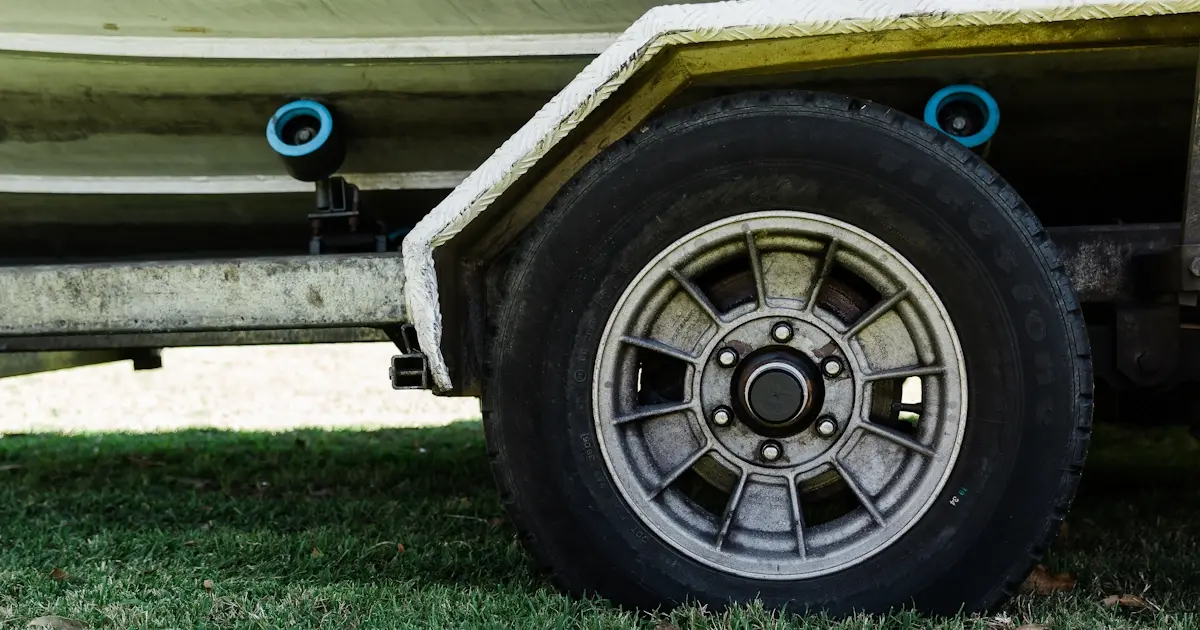
Why do trailer bearings fail? Because heat, water contamination, incorrect adjustment, and overload can destroy a bearing long before you hear a warning sound.
Just because a trailer is new – or only used occasionally -doesn’t mean the wheel bearings are in good working order.
Understanding why trailer bearings fail is critical for anyone towing a boat, caravan, or heavy trailer. Without proper monitoring or maintenance, a failing wheel bearing is often only discovered when it breaks down, usually at highway speed, when you least expect it.
What causes trailer wheel bearings to fail?
A trailer wheel bearing sits inside each wheel hub and performs a critical job: it allows the wheel to rotate smoothly around the axle while carrying the full weight of your trailer at highway speeds.
When lubrication breaks down, loads exceed design limits, or heat is not properly managed, bearing failure begins.
In almost every case, trailer bearing failure is the result of excessive heat. Heat destroys grease, damages metal surfaces, and accelerates wear. Once temperatures rise beyond safe operating limits, failure can escalate quickly – often without obvious warning.
Below are the most common causes of trailer bearing failure, and why they lead to overheating and breakdown.
The 5 Most Common Causes of Trailer Bearing Failure
1. Inadequate or Improper Lubrication
Not enough grease in the hub, using the wrong type of grease, or failing to re-grease at manufacturer-recommended intervals will cause metal-on-metal contact.
Without proper lubrication, heat builds rapidly and components degrade.
2. Contamination (Water Ingress)
Water, dirt, or debris entering the wheel hub is one of the most common causes of failure — particularly for boat trailers.
Submerging hot hubs in cold water can compromise seals and draw moisture inside. Contaminated grease leads to corrosion, pitting, and accelerated wear.
3. Incorrect Installation or Preload
Improper adjustment of the spindle nut can cause:
- Bearings that are too loose (wobble and impact loading)
- Bearings that are too tight (immediate friction and overheating)
Both scenarios significantly reduce bearing life.
4. Overloading the Trailer
Exceeding the trailer’s weight rating places force beyond the bearing’s design capacity.
This accelerates fatigue, increases internal heat, and shortens service life.
5. Improper Tyre Pressure or Uneven Wear
Under-inflated tyres generate excessive heat, which transfers directly to the wheel hub.
Uneven tyre wear also creates abnormal loading on the bearing assembly, increasing stress and failure risk.
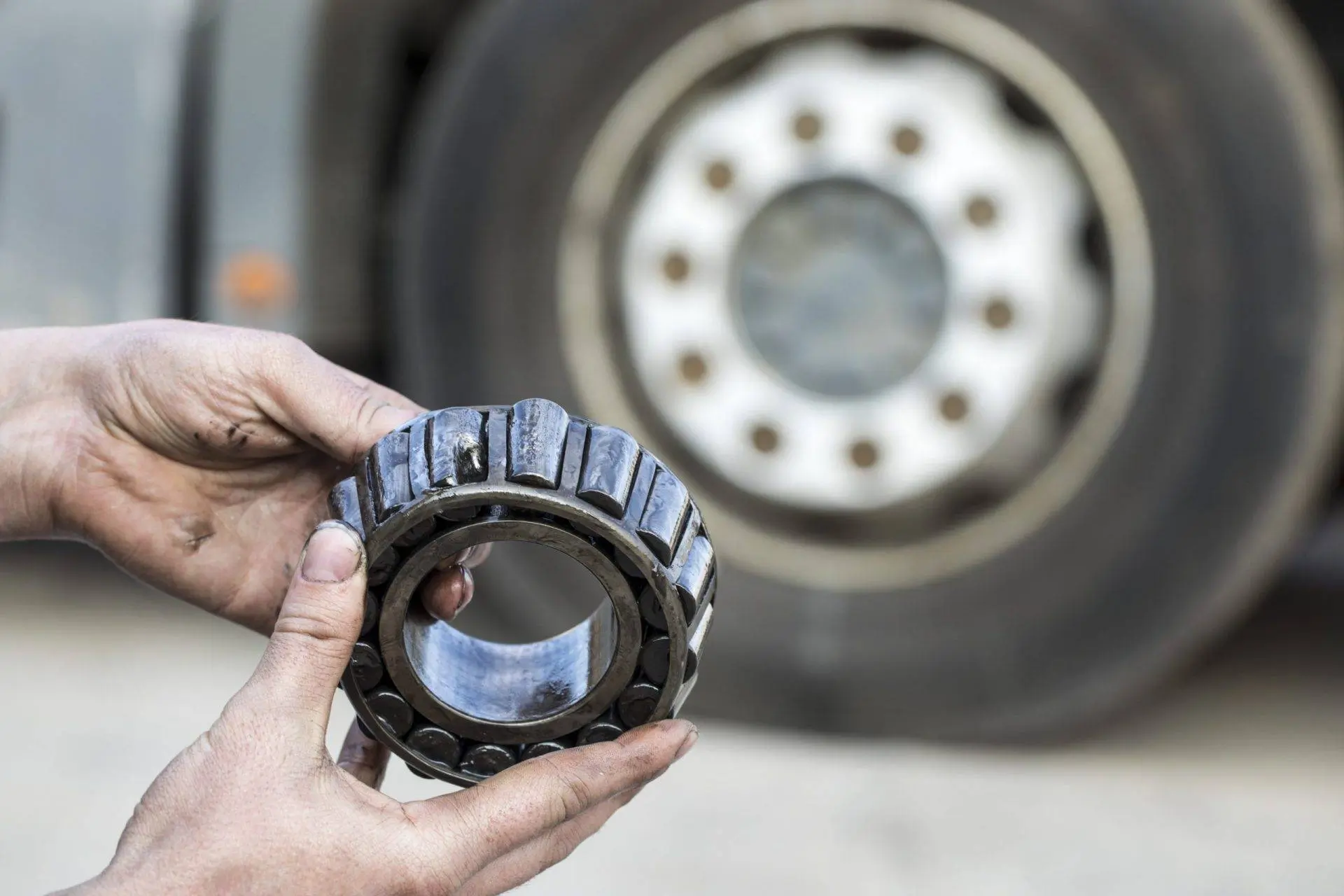
Why Bearing Temperature Is the Leading Indicator of Failure
Temperature is the clearest early warning sign of a failing trailer bearing. When a bearing overheats on the road, it can lead to:
- Seizure
- Hub damage
- Wheel loss
- Dangerous roadside incidents
After a journey, bearings naturally cool. As they cool, contracting metal, air, and lubricant create a vacuum inside the hub. A healthy seal holds this vacuum. If the seal is compromised, that vacuum can draw in:
- Air
- Water
- Dirt
- Road debris
This contamination accelerates corrosion, friction, and pitting – eventually leading to complete bearing failure. Monitoring temperature changes allows you to detect abnormal conditions before catastrophic failure occurs.
Traditional Warning Signs of Trailer Bearing Failure
Historically, drivers relied on manual inspections or waited for symptoms such as:
- ABS warning issues
- Clunking, humming, whining, or grinding noises
- Steering wheel vibration
- Noticeable trailer sway
- Excessive hub heat when checked manually
The challenge is that by the time these signs appear, damage has often already occurred.
The Smarter Way to Prevent Trailer Bearing Failure
Understanding the causes of trailer bearing failure is the first step.
Monitoring real-time temperature data is the next.
Early detection allows you to act before heat turns into damage – protecting your trailer, your investment, and your safety on the road.