
How does a TPMS work?
A TPMS (Tyre Pressure Monitoring System) is designed to alert drivers when tyre pressure drops below safe levels by utilising sensors to track the air pressure within each tyre in real-time.
Most drivers trust their dashboard’s Tyre Pressure Monitoring System (TPMS) to warn them before a tyre goes flat. But how much trust is too much? Online forums show that while TPMS can be a game-changer for safety, it’s not always the full story. Here’s what TPMS actually does, the different types available, and whether it’s worth relying on 100%.
What is a TPMS?
Tyre Pressure Monitoring Systems (TPMS) are designed to track tyre pressure while you drive. In simple terms, a TPMS continuously measures the air pressure inside your tyres and alerts you if pressure drops too low (or rises too high). This helps prevent flats, blowouts, and unnecessary tyre wear.
A TPMS works by detecting changes in pressure and triggering a warning through your vehicle’s dashboard display or a connected monitor.
There are two main types of TPMS, direct and indirect.
Direct TPMS
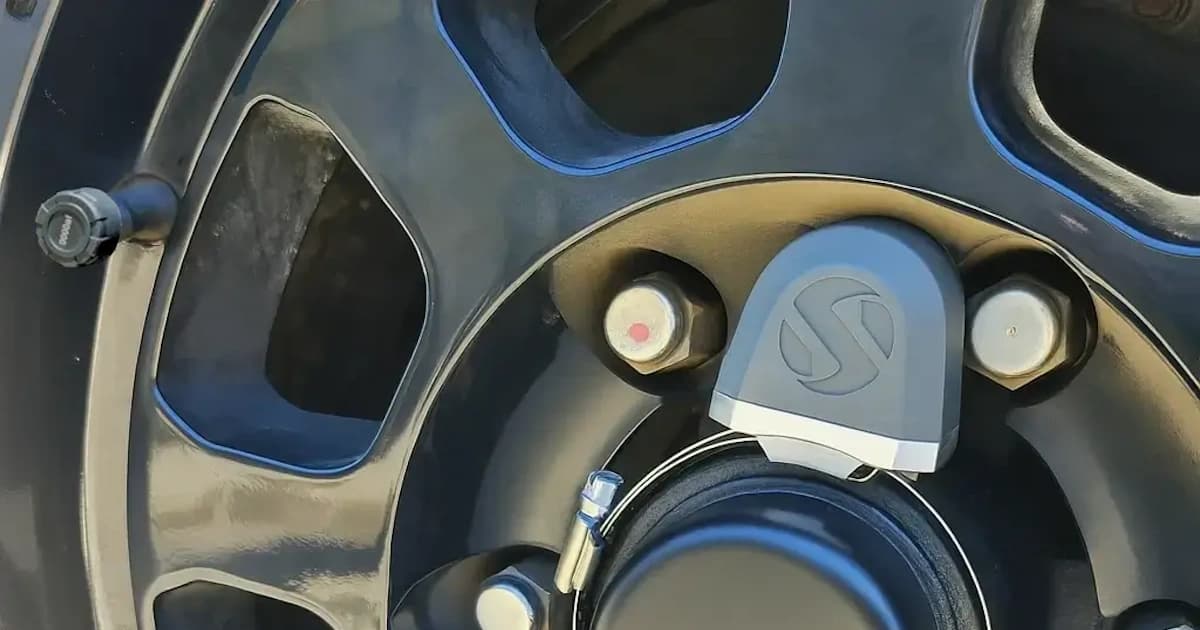
Direct TPMS uses small sensors mounted inside each tyre (or on the valve stem) to measure tyre pressure in real time.
- Measures actual tyre pressure
- Often includes temperature readings
- More accurate and reliable
Indirect TPMS
Indirect TPMS estimates tyre pressure using your vehicle’s wheel speed sensors (ABS system).
- Detects pressure loss based on wheel rotation speed
- Lower cost and simpler setup
- Less precise and slower to detect changes
Both systems aim to improve safety and fuel efficiency by giving early warnings before small tyre problems become major failures.
Why TPMS Matters
Tyre pressure plays a bigger role in safety and performance than most drivers realise. Even a small drop in pressure can affect braking distance, steering response, and fuel efficiency – while over inflation can reduce grip and cause uneven wear.
That’s where a TPMS makes all the difference. By keeping your tyres within the correct pressure range, it helps:
- Extend tyre life by reducing heat buildup and tread wear
- Improve fuel efficiency through lower rolling resistance
- Enhance safety with shorter stopping distances and better stability
- Prevent costly failures like blowouts or sidewall damage on long trips
Whether you’re driving solo or towing a load, TPMS turns tyre maintenance from guesswork into real-time awareness.
Are They Worth It?
Absolutely — when used correctly.
TPMS systems give drivers near real-time awareness of tyre pressure and temperature, helping to prevent dangerous blowouts and improve fuel efficiency. For everyday vehicles, they’re a solid safety feature. For trailers, caravans, or towing setups, a high-quality TPMS (or a dedicated system like Wheel Sensei) can be invaluable.
Still, it’s important to remember that TPMS doesn’t replace regular tyre inspections – it complements them. Think of it as an extra layer of protection, not the whole safety net. You can find the correct tyre pressure for your vehicle or trailer in the manufacturers handbook or online, the recommended pressures can also be found inside the driver side door.
For heavy-duty towing, long-haul travel, or custom setups, you can even go beyond standard TPMS. Systems like Wheel Sensei monitor bearing temperature and hub condition, giving a complete picture of what’s happening on every axle – something ordinary TPMS can’t do.
What TPMS can’t detect
While TPMS is excellent for pressure monitoring, it doesn’t monitor everything. Standard TPMS systems cannot detect:
- Wheel bearing overheating
- Hub temperature rise
- Grease failure or seal wear
- Mechanical bearing damage before it becomes dangerous
This is where towing setups can benefit from dedicated monitoring technology.
For heavy-duty towing, long-haul travel, or multi-axle setups, systems like Wheel Sensei go beyond standard TPMS by monitoring wheel bearing temperature and hub condition – giving a clearer picture of what’s happening on every axle.
What’s the difference between direct and indirect TPMS?
Direct TPMS uses pressure sensors inside each tyre to measure air pressure in real time. Indirect TPMS estimates tyre pressure using your vehicle’s wheel speed sensors (ABS system). Direct systems are more accurate, while indirect systems are simpler and often cheaper.
What happens if I ignore the TPMS warning?
Ignoring a TPMS warning can lead to under-inflated tyres, uneven tyre wear, which increases the risk of blowouts, poorer fuel efficiency, compromised handling, and longer stopping distances.
Conclusion
When you’re towing heavy loads, tyre pressure isn’t just a maintenance detail – it’s a safety factor. A properly functioning TPMS provides early warning signs that can help prevent tyre failure, improve braking performance, and maintain control under load.
Still, no system replaces smart preparation. Checking pressures, monitoring tyre condition, and staying aware of how your trailer handles are all critical parts of safe towing.
The more visibility you have into your tyres, the safer and more confident you’ll be on every trip.
Safe travels.